
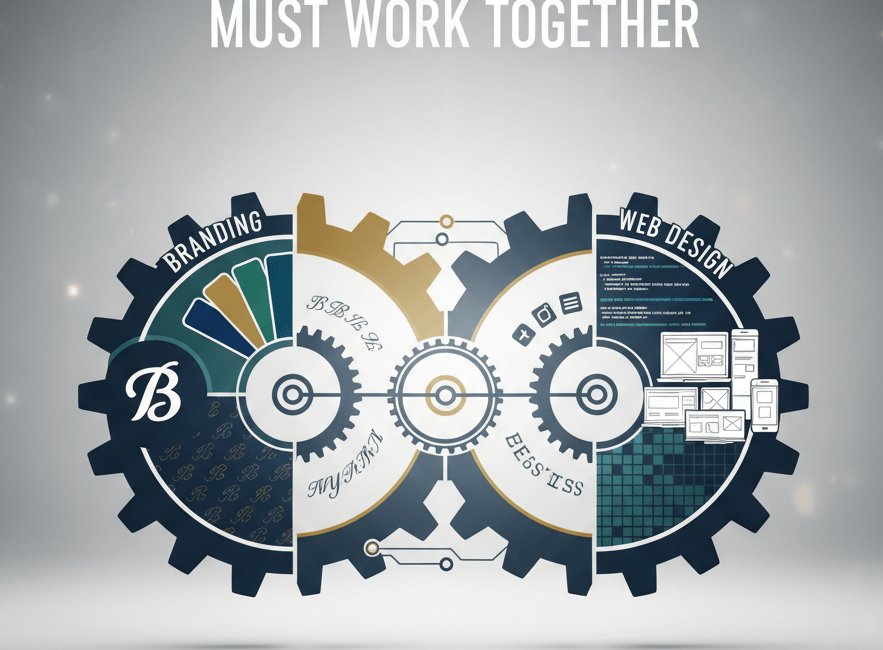
In today’s digital-first world, your website is often the first interaction people have with your brand. It’s where potential customers form opinions, make judgments, and decide whether to trust you—or move on. That’s why branding and web design are inseparable. When these two elements work together, they create a powerful, consistent experience that connects emotionally with your audience and drives real business results.
A strong brand tells your story. A great website shows it. Together, they transform visitors into loyal followers. Let’s explore why branding and web design must work hand in hand to create a lasting impact.
Branding Defines Your Identity
Before any design begins, branding sets the foundation. It defines who you are, what you stand for, and how you communicate. Your brand identity includes visual elements like your logo, colors, and typography—but it also goes deeper, shaping your tone of voice, values, and personality.
A brand is more than a logo—it’s the emotional impression people have when they interact with your business. Your website brings that impression to life visually and experientially. Without a clear brand identity, a website can feel disjointed or generic, failing to make a memorable impression.
Branding gives design purpose; design gives branding expression.
Consistent Visual Identity Builds Trust
When your branding and web design align visually, you build instant recognition and credibility. Every color, font, and image choice sends a message. A cohesive visual language tells users that your business is professional, reliable, and detail-oriented.
Imagine visiting a website with mismatched colors, inconsistent fonts, or random graphics—it feels untrustworthy and confusing. On the other hand, a site that mirrors your brand’s style creates familiarity, which fosters trust.
Consistency across every page—your homepage, about section, and even your contact form—reinforces your identity and helps users remember you.
Consistency breeds trust, and trust drives conversions.
User Experience Reflects Brand Personality
Great branding isn’t just what you say—it’s how people feel when they interact with you. Your website’s user experience (UX) is where that feeling comes to life.
If your brand is sleek and modern, your website should feel minimalist and fast. If your brand is creative and bold, your website should showcase color, motion, and originality. The way users navigate your site, the tone of your content, and the micro-interactions they experience all shape how they perceive your brand’s personality.
Every click, scroll, and animation should feel unmistakably “you.”
Web Design Communicates Your Brand Story
Your website is a storytelling platform. It’s not just a collection of pages—it’s your brand narrative in digital form. Through imagery, typography, layout, and tone, good design helps visitors understand who you are and what makes you different.
For example:
- Your homepage sets the tone and grabs attention.
- Your about page shares your mission and values.
- Your visuals illustrate your story more powerfully than words alone.
When design reflects your brand story authentically, it connects emotionally. People don’t just buy products or services—they buy experiences and beliefs.
Design is storytelling without words, and your brand is the story being told.
First Impressions Depend on Unified Branding and Design
It takes less than three seconds for visitors to form an opinion about your website. In that brief moment, your visuals, tone, and design either captivate or repel them. A strong brand message paired with cohesive design ensures that first impression is positive.
If your visuals align with your brand’s message—through color psychology, typography, and imagery—visitors immediately understand who you are. When there’s a disconnect, confusion takes over.
A great website doesn’t just attract visitors—it makes them feel at home within your brand.
Emotionally Driven Design Converts Better
Humans make decisions emotionally before justifying them logically. When branding and web design work together, they tap into those emotions—confidence, curiosity, trust, or excitement.
For example:
- A financial company might use calm colors and structured layouts to evoke trust.
- A creative agency could use dynamic visuals and bold typefaces to express innovation.
- A wellness brand may favor soft tones and flowing design to communicate peace and care.
Every design choice evokes a feeling that influences behavior. Aligning your brand’s emotional tone with your design ensures that users not only stay longer but are more likely to take action.
Emotionally connected users become loyal customers.
Content and Visuals Speak the Same Language
Your brand voice—how you write and communicate—should align perfectly with how your website looks. If your tone is friendly and conversational, your visuals should feel warm and inviting. If your tone is professional and corporate, your design should feel clean and authoritative.
This harmony ensures that your content and design tell the same story. Disconnected messaging (for example, playful content paired with formal visuals) confuses visitors and weakens your credibility.
When words and visuals align, your message becomes unstoppable.
SEO and Brand Identity Go Hand in Hand
Search engines reward consistency and quality. A well-branded, user-friendly website doesn’t just impress humans—it also impresses Google. Clear branding and design help with:
- Better user experience, reducing bounce rates.
- Higher engagement, which signals quality content.
- Improved navigation, making it easier for search engines to crawl.
Strong branding also encourages backlinks and shares, as people are more likely to recommend a site that looks professional and memorable.
A brand that’s cohesive online performs better both with users and algorithms.
Design Without Branding Lacks Direction
A website built without branding may look “nice” but often feels empty. Without a strong brand foundation, design choices become arbitrary, and the site lacks emotional connection.
On the flip side, branding without good design fails to come alive digitally—it’s like having a personality with no voice. The two must complement each other to create a unified identity that’s memorable, recognizable, and impactful.
Branding is strategy; design is execution. Together, they create meaning.
Future-Proofing Through Cohesion
As design trends evolve and technologies change, a well-branded website remains timeless. When your website is built around a clear brand identity, it’s easier to update visuals or content without losing consistency.
Whether you’re rebranding, adding new features, or expanding globally, having branding and design that work together keeps your digital presence cohesive and relevant.
A strong brand paired with thoughtful design evolves—but never loses its essence.
Conclusion: Branding + Design = Digital Success
In the digital age, your brand lives and breathes through your website. When branding and web design work together, they don’t just create visuals—they create experiences. They tell your story, build trust, and convert visitors into believers.
A well-designed website that reflects your brand identity is more than just an online asset—it’s a growth engine that amplifies your message, connects emotionally, and drives results.
Branding defines who you are. Design shows it to the world. Together, they make your business unforgettable.