
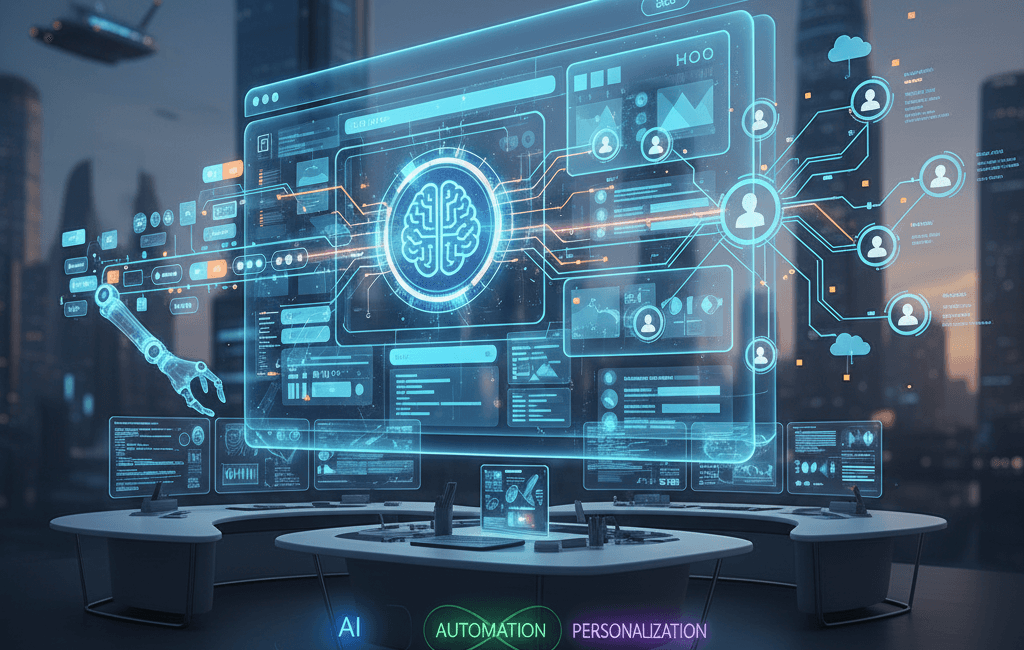
The digital world is evolving at lightning speed, and web design is at the forefront of this transformation. As we move deeper into 2025, artificial intelligence (AI), automation, and personalization are reshaping how websites are created, maintained, and experienced.
The days of static, one-size-fits-all web pages are over. Today’s users expect fast, intelligent, and personalized experiences tailored precisely to their needs. Businesses that embrace modern web technologies will not only stand out visually but also deliver smarter, more human-centered digital experiences that drive engagement and growth.
Let’s explore how AI, automation, and personalization are shaping the future of web design—and what that means for brands, developers, and users alike.
AI: The Creative Engine Behind Modern Web Design
Artificial intelligence is revolutionizing web design by making the process faster, smarter, and more efficient. AI tools can now generate entire layouts, suggest color schemes, optimize images, and even write website copy—all in seconds.
AI-driven platforms like Wix ADI, Framer AI, and Adobe Sensei analyze user preferences and automatically create designs that fit a brand’s style and purpose. Designers no longer start from scratch; instead, they collaborate with AI to focus more on creativity and strategy than on repetitive tasks.
AI also powers predictive analytics, helping websites understand visitor intent. For instance, AI can determine whether a visitor is looking to make a purchase, read a blog, or get support—and then adjust the content or layout accordingly.
In the age of AI, web design is no longer just designed—it’s intelligently crafted.
Automation Streamlines the Design and Development Process
Automation is transforming how websites are built and maintained. What once took weeks can now be accomplished in hours, thanks to tools that handle everything from coding to updates automatically.
Modern website builders and CMS platforms now integrate automated workflows that:
- Generate and deploy code without manual intervention.
- Optimize performance by compressing images and caching pages.
- Handle updates and security patches automatically.
- A/B test different versions of content to find what works best.
This not only saves time but also reduces human error. For web agencies and businesses, automation means faster delivery, lower costs, and consistent quality.
It also enables continuous improvement. AI-powered analytics tools can detect issues like broken links or slow pages and automatically fix them—ensuring your website always performs at its best.
Automation allows designers to focus on innovation instead of maintenance.
Personalization: Designing for Every Individual
Personalization is no longer a trend—it’s an expectation. In 2025, users demand digital experiences that understand their preferences, behaviors, and needs. Personalization turns an ordinary website into a dynamic, user-first platform that adapts in real time.
Through AI and data analytics, websites can now customize:
- Content and recommendations based on browsing history.
- Product suggestions tailored to previous purchases.
- Homepage layouts that change depending on user interests.
- Messages and CTAs personalized by location or demographics.
Imagine two visitors landing on the same website—one from New York and one from London. While the brand remains the same, each visitor sees different promotions, time zones, and even visuals suited to their culture. That’s the power of personalization.
When websites speak directly to users’ needs, engagement turns into loyalty.
Voice and Conversational Interfaces Take Over
With the rise of voice assistants like Alexa, Siri, and Google Assistant, the way users interact with websites is changing. Voice-activated navigation and conversational design are becoming key components of modern web experiences.
Instead of clicking through menus, users can say commands like, “Show me the latest products,” or “Book an appointment for tomorrow.” Voice interfaces make browsing faster, more accessible, and hands-free—especially on mobile devices.
AI-powered chatbots and conversational UIs are also revolutionizing customer service, providing instant answers, product recommendations, and even processing orders.
Websites of the future will talk, listen, and respond just like humans do.
Data-Driven Design Decisions
Gone are the days when web design was based on guesswork or personal taste. Today’s most successful websites are built on data and behavior analysis.
AI tools track how users navigate a site—where they click, how long they stay, and what content keeps them engaged. This data empowers designers to make evidence-based decisions that improve usability and boost conversions.
For example, if analytics show that users drop off at a certain page, AI can suggest redesign options or automatically rearrange content to keep visitors engaged.
Data turns creativity into measurable success.
Hyper-Personalized E-Commerce Experiences
In e-commerce, AI-driven personalization is a game-changer. Online stores are now using machine learning to deliver individualized shopping experiences that increase conversion rates and customer satisfaction.
AI can analyze purchase history, preferences, and behavior to recommend products that a customer is most likely to buy. Dynamic pricing and personalized offers make the shopping experience more relevant and rewarding.
For example, returning visitors might see “Welcome back, Alex! Here’s a special offer on your favorite items.” This level of personalization makes customers feel valued and encourages repeat business.
The more personal the experience, the higher the loyalty—and the greater the sales.
Accessibility and Inclusive Design Through AI
The future of web design is not just about technology—it’s about inclusivity. AI tools are making it easier to build accessible websites that cater to everyone, including people with disabilities.
Automation can now detect accessibility issues such as missing alt text, poor color contrast, or unreadable fonts and fix them automatically. Voice interfaces and AI-driven screen readers also enhance accessibility for users with visual or motor impairments.
Inclusive design is smart design—and AI is helping make it the new standard.
AI-Powered Content Creation and Optimization
AI isn’t just designing websites—it’s also creating and optimizing content for them. Tools like ChatGPT, Jasper, and Copy.ai can write product descriptions, blog posts, and headlines in seconds.
AI can even analyze audience engagement and suggest how to improve content—whether that means rewriting copy for clarity, adjusting tone for your audience, or optimizing keywords for SEO.
For businesses, this means consistent, high-quality content without spending endless hours writing or editing.
AI helps brands say the right thing, in the right way, to the right audience.
Predictive Design and Real-Time Adaptation
The next phase of web design goes beyond personalization—it’s predictive design. Websites will soon adapt in real time based on user behavior and context.
For example:
- If a visitor seems hesitant at checkout, the site might automatically display a discount offer.
- If a returning customer logs in, it might prioritize showing new arrivals.
- If a user’s location shows bad weather, a travel site could recommend indoor activities.
Predictive design uses AI to anticipate needs before users even express them, creating seamless, intuitive experiences that feel effortless.
Tomorrow’s websites won’t just react—they’ll predict.
The Human Touch in the Age of Automation
With all these technological advancements, one question remains: will AI replace human designers? The answer is no—AI enhances human creativity, it doesn’t replace it.
While machines can handle repetitive tasks and analyze data, human designers bring emotional intelligence, storytelling, and artistic vision that AI can’t replicate. The most successful web designs of the future will come from collaboration between human creativity and machine intelligence.
Technology builds the framework; humans bring the soul.
Conclusion: The Future Is Intelligent, Automated, and Human-Centered
The future of web design is being rewritten by AI, automation, and personalization. Websites are becoming smarter, faster, and more intuitive—adapting to user behavior in ways once thought impossible.
Businesses that embrace these technologies will stay ahead of the curve, offering experiences that feel effortless, relevant, and uniquely personal.
But amid all the innovation, one truth remains: great web design isn’t just about technology—it’s about people.
The future belongs to those who design with intelligence, automate with precision, and personalize with empathy.